
×

 What is Cloud Migration?
Cloud migration is the process of moving a company’s files, programs, databases, and other digital components from old computers or servers that are kept on-site (called on-premises) to cloud platforms. It’s like: instead of keeping your important documents at home, you are storing them on Google Drive.
Cloud migration is very helpful, especially for businesses that want to move their legacy software to the cloud. This helps them to leverage the reliability, security, and scalability of the cloud while removing the risk of legacy hardware. Popular strategies to accomplish it are rehosting or replatforming.
Remember, a successful cloud migration project lies in setting clear goals, planning, choosing the right strategy, and continuously testing. It is advisable, according to experts, to move systematically rather than shifting everything at once.
 Articles

A survey report from McKinsey and Company stated that 70% of cloud migration processes fail to meet their aims due to poor planning and a lack of skillful professionals. In this blog, you will explore the cloud migration process explained in detail.
You will navigate through 7 key cloud migration steps involved in successfully transforming the cloud ecosystem.
Adopting cloud technology can transform a business. Here are a comprehensive 7 essential steps for the cloud migration process that can help achieve a successful and smooth transition for your business.
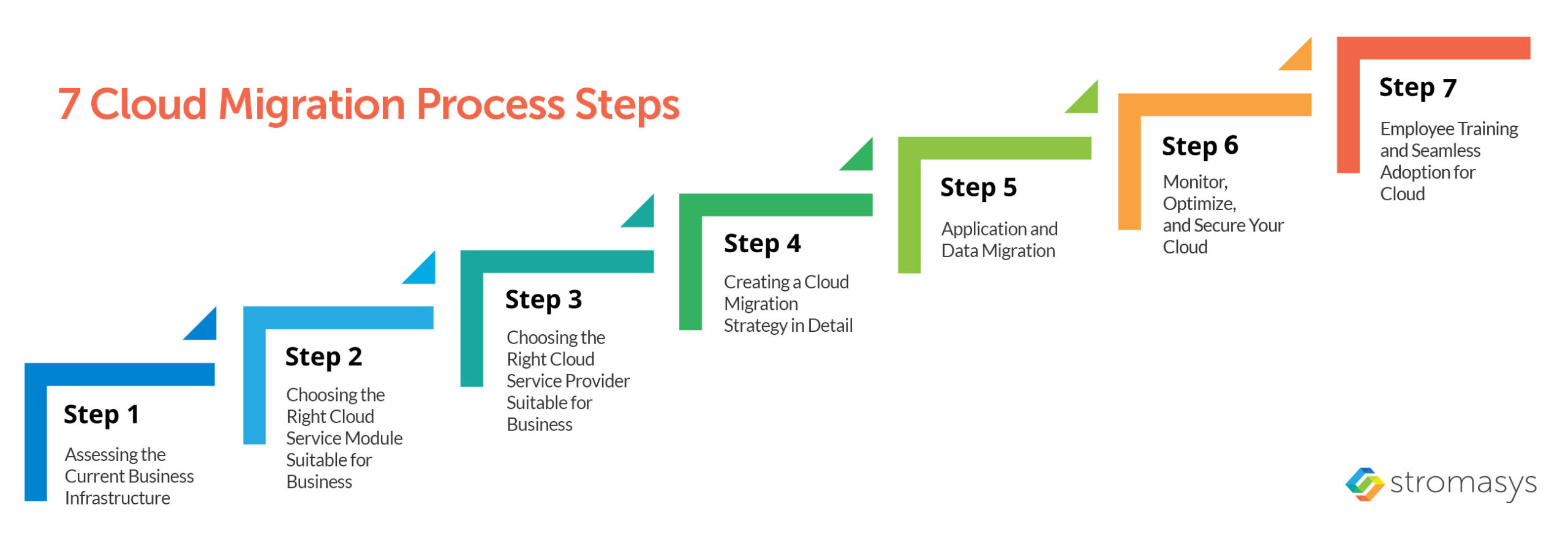
The first step in the cloud migration process begins with evaluating the current infrastructure involving the hardware, software, and data systems to identify any potential risk and look for any requirement for optimization. This assessment will help to determine if the existing infrastructure is ready to begin the cloud migration process.
Once the assessment is complete, it will be easy to understand the current situation of the business infrastructure. It will help to determine where changes are needed and what steps are required to ensure the cloud migration process.
Here are the aspects that are required to be accessed for the smooth cloud migration process:
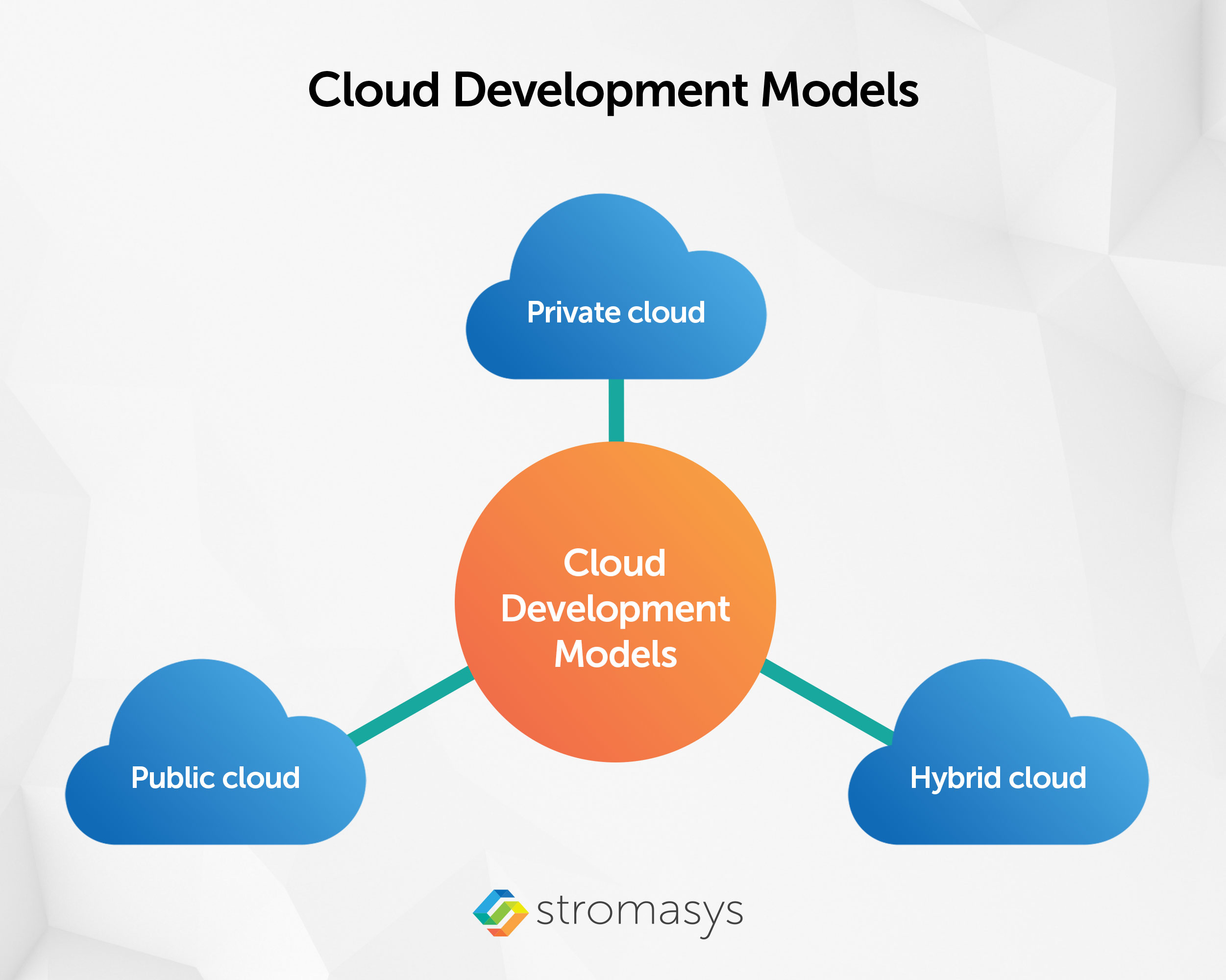
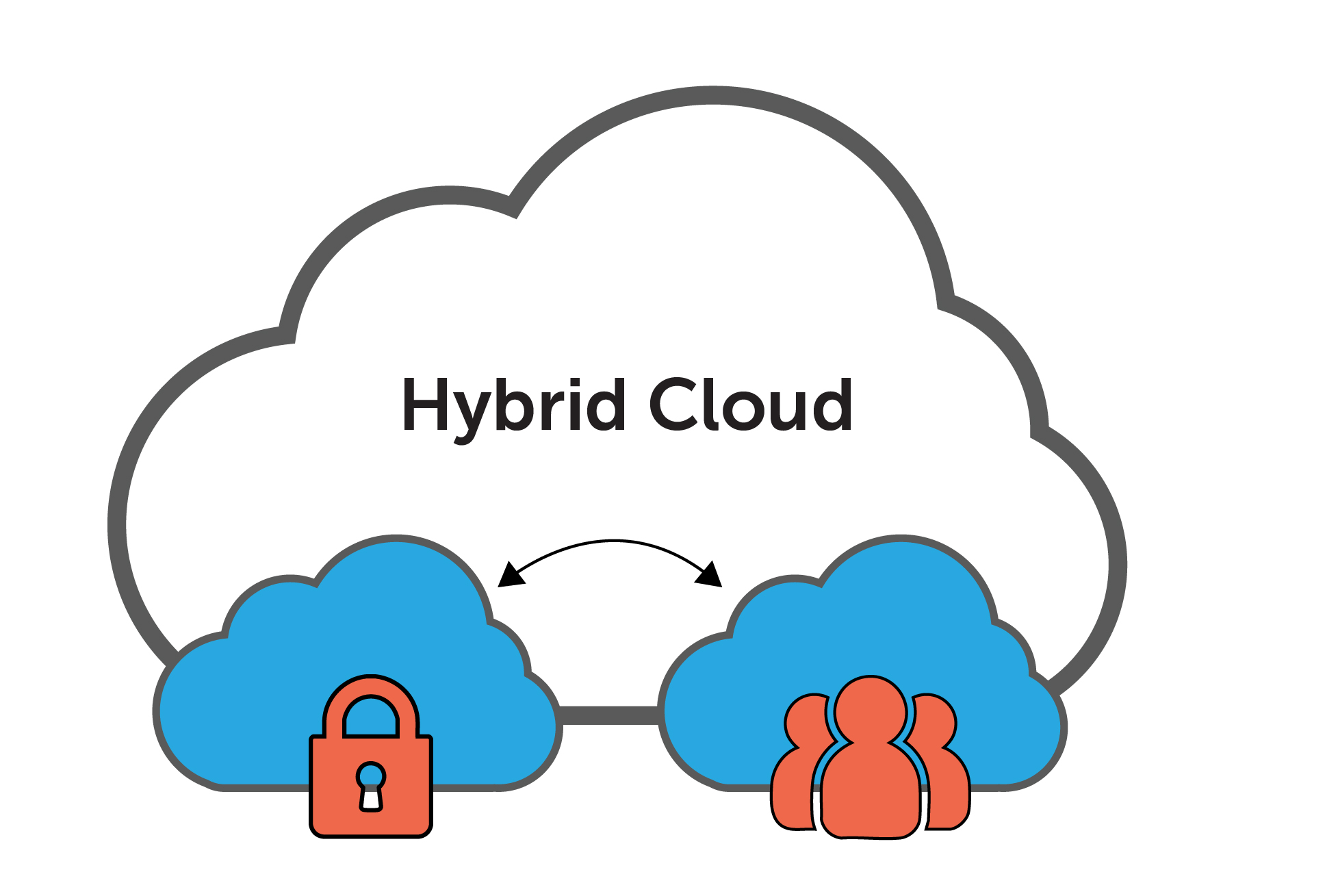
Choosing the right cloud service module for the cloud migration process is essential. It comes in three general models: public, private, and hybrid. Each of them has different control levels, security, and scalability. The right cloud module will help the business with its final objectives, security, and scalability.
One of the essential cloud migration steps is selecting the right cloud service provider. Various leading cloud service providers, such as Azure, Google Cloud, IBM Cloud, AWS, Oracle Cloud, and more, offer a wide range of services. Each has its benefits and weaknesses. After carefully evaluating the characteristics and which cloud service provider best suits your business, go for it.
The success of the cloud migration process mainly depends on proper planning. A detailed cloud migration strategy ensures a seamless transition while reducing downtime, elevating performance, and aligning with the business’s objectives. Here is the outline of a cloud migration strategy:
Moving data and applications to a cloud environment is the most critical cloud migration step. It’s essential to ensure these applications and data are accessible and functional after the migration. Here are some critical points to keep in mind for a successful transition:
Once the cloud migration process is completed, you must observe and optimize the performance to see whether your applications are working efficiently and securely. The ongoing optimization and management allow the cloud infrastructure to exactly meet the business’s objectives.
Successful cloud migration is not about adopting the latest technologies but how efficiently the new systems are utilized for better performance. To ensure this, employee training is essential to seamlessly adapt to the new changes and work efficiently in the updated infrastructure.
Prioritizing training and support will not only allow employees to leverage cloud features to improve their efficiency and performance but also help them develop innovative solutions.
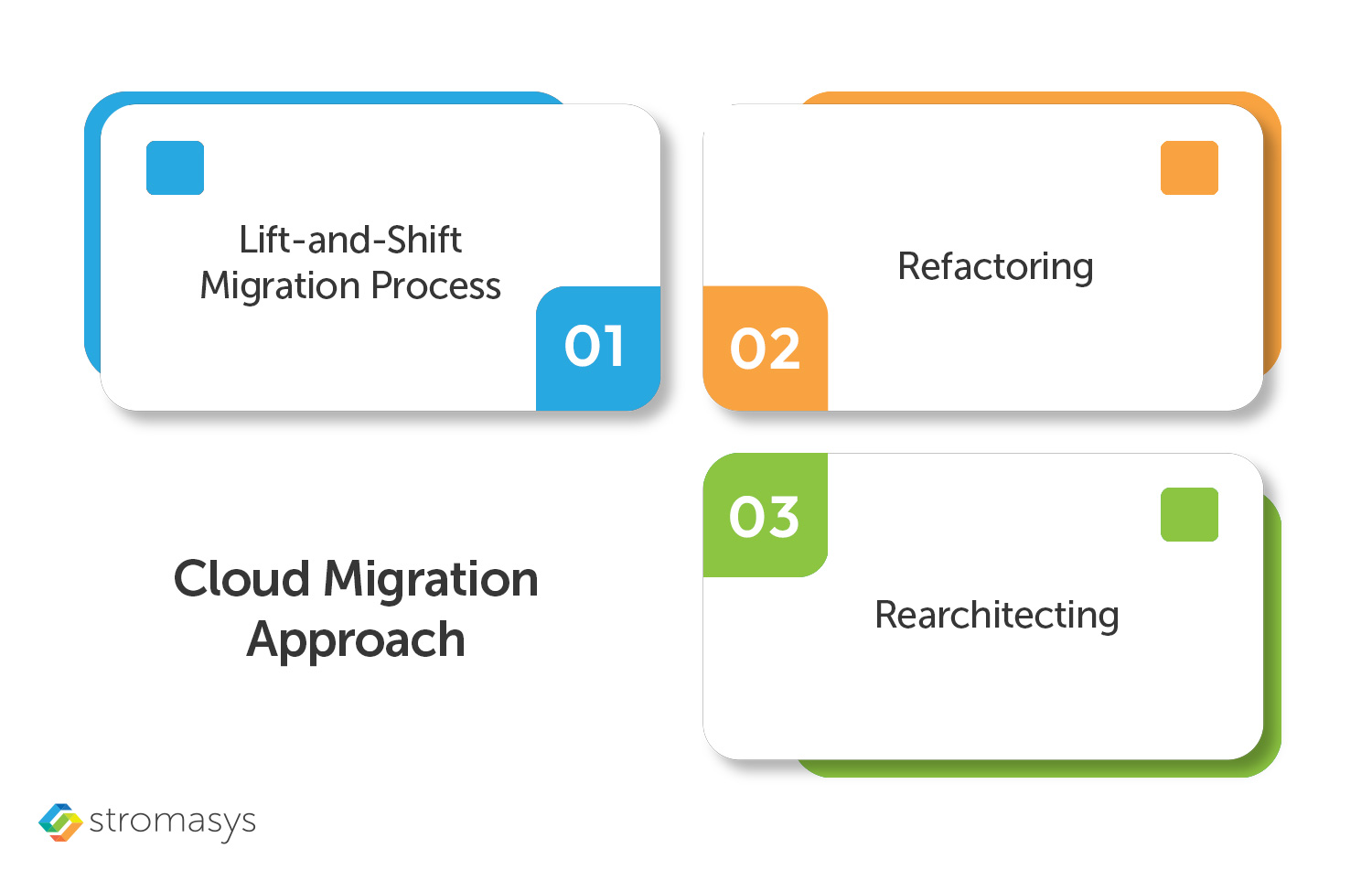
Stromasys is the global leader in legacy applications migration. It offers hardware virtualization and emulation solutions across the globe for legacy hardware like Sun SPARC, PA-RISC, PDP-11, Alpha Servers, DEC VAX, and more. Its Charon emulation solution uses the lift and shift migration process on a new modern platform like x86 servers or cloud platform without changing codes. It mimics the environment of the existing hardware on the new platform where the legacy applications and operating systems can seamlessly operate.
For businesses looking to migrate to cloud infrastructure, Stromasys is a one-stop solution for transforming their legacy systems with the Charon on the Cloud solution. It partners with several cloud providers like Oracle Cloud, AWS, Google Cloud, Azure, and more to offer seamless transformation to a cloud environment that best suits your business objectives and requirements. The pay-per-subscription allows businesses to only pay for services they have availed, cutting down on additional costs.
These seven processes are sometimes referred to as the 7 R’s of cloud migration. They are rehost (lift and shift), replatform (lift and reshape, not much else), repurchase (move to SaaS), refactor (re-architect for cloud-native), relocate (move the virtual machines of an application that is already VM-based within your data center up into the cloud with minimal changes), retain (keep on-premises) and retire(decide you don’t need it anymore).


Mergers and acquisitions (M&A) promise business growth and market expansion, but their core value derives...
Read More
Many businesses still rely on legacy systems. This may be due to an investment in...
Read More
Technology is evolving at a faster pace, making it crucial to maintain critical applications stable...
Read More